Pre-Purchase Inspection Playbook: What to Ask a Building Inspector (So the Report Actually Helps)

Buying a property is exciting. It’s also one of the biggest financial decisions most Australians will ever make.
I’ve sat at kitchen tables with buyers who thought a pre purchase inspection was a box to tick. Late booking, a quick read of the report, and fingers crossed. Some were fortunate. Others, not so much.
The difference always boiled down to one thing: the questions they asked their building inspector before the inspection even began.
This playbook is about empowering buyers. Not fear tactics. Not technical overload. Just practical scripts and insider perspective so your building inspection actually helps you make a clear, confident decision.
First: Understand What a Building Inspection Is (and Isn’t)
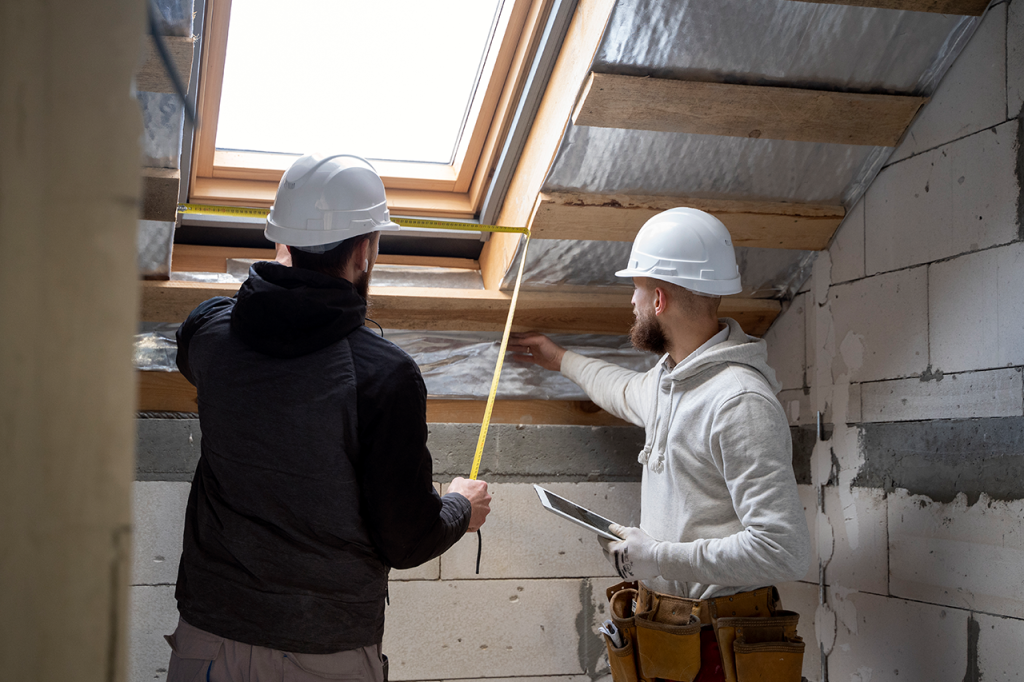
A building inspection is a visual, non-invasive examination of the accessible areas of a property at a point in time. A good building inspector will look at structure, moisture issues, roofing, subfloor, drainage and obvious flaws.
But there are limits.
An inspector won’t open walls. They won’t test every appliance. They’re not a building code inspector approving new works, and they’re not a building compliance inspector issuing formal certification.
If you assume they are, you’ll be disappointed.
Script to use:
“Will you be able to explain what’s included in your building inspection services — and what isn’t?”
Listen carefully. A reputable building inspection company will clearly outline scope, exclusions, and any optional add-ons (like pest or thermal imaging).
Clarity is all about rightfully eliminating confusion.
Question 1: “What Standards Do You Inspect To?”
In Australia, most residential home inspections are conducted in line with AS 4349.1 (the Australian Standard for pre purchase inspection of buildings).
But not all building inspectors explain that upfront.
Script to use:
“Is your report aligned with AS 4349.1, and can you walk me through how you apply it in practice?”
This tells you two things:
- Whether your building inspector works to a recognised framework.
- Whether they understand it deeply enough to explain it in plain English.
If they can’t explain their process clearly, that’s a red flag.
Question 2: “How Do You Define a Major Defect?”
This is where many buyers get tripped up.
Different building inspectors may categorise defects slightly differently. One inspector might call something “minor” that another sees as significant over time.
Script to use:
“When you label something as a major defect, what does that mean in terms of safety, cost and urgency?”
An experienced building inspector should be able to distinguish between:
- Structural movement versus cosmetic cracking
- Active water ingress versus historic staining
- Safety hazards versus maintenance issues
You’re not just buying a report. You’re buying judgement.
Question 3: “Will the Report Prioritise Issues — or Just List Them?”
Some reports read like encyclopaedias of problems. Every scratch, chip and loose hinge documented with equal weight.
That doesn’t help buyers.
A quality building inspection report should prioritise:
- Safety risks
- Structural concerns
- Moisture or termite risks
- High-cost repair items
Script to use:
“Will you clearly prioritise what needs immediate attention versus what’s general maintenance?”
If your building inspector can’t explain how they separate urgent from routine, you may end up overwhelmed rather than informed.
Question 4: “How Many Photos Will Be Included?”
Photo evidence is more important than most buyers understand.
In my experience vague or poorly documented reports are usually the cause of disputes and misunderstandings.
A thorough building inspection should include clear, time-stamped images of:
- Defects
- Roof space
- Subfloor areas
- External elevations
- Any moisture staining or cracking
Script to use:
“Do you provide full photo evidence, so I know exactly what you are talking about?”
If the building inspection company is reluctant or says they don’t have many photos, ask yourself why.
Visual documentation safeguards you.

Question 5: “Can I Attend the Inspection?”
Some buyers don’t realise they’re allowed to attend their home inspection.
While you shouldn’t distract the inspector, being present at the end for a walk-through is invaluable.
You can ask:
- “Is that crack normal?”
- “Would you buy this property?”
- “Is this common for homes of this age?”
Most experienced building inspectors welcome informed buyers.
Script to use:
“Can we schedule time at the end so you can talk me through the key findings in person?”
Hearing tone and emphasis gives context no PDF can.
Question 6: “Are You Independent?”
This is about trust.
A building inspector should be independent of the selling agent, builder or vendor. If they regularly receive referrals from one agency, ask about that relationship.
You want objective advice.
If someone calls themselves a master inspector, ask what that means. Is it a membership level within a recognised association? Or just marketing language?
A reputable building inspection services provider will be transparent about qualifications, insurance and affiliations.
Question 7: “What Qualifications and Insurance Do You Hold?”
In Australia regulation varies by state. At minimum, your building inspector services provider should have:
- Building qualifications or relevant trade background
- Professional liability insurance
- Liability insurance for the public
Simply ask.
Script to use:
“What’s your background in the building industry, and what insurance covers this inspection?”
Experienced building inspectors are usually proud of their track record — years in construction, defect diagnosis, or compliance work.
Question 8: “What Happens If Something Is Missed?”
There is no perfect inspector.
But they should have a clear complaints process and insurance cover.
Ask in a calm voice:
“What is the process if there is an issue that should have reasonably been identified during the building inspection?
A good building inspector won’t shy away from this.
Question 9: “Do I Need Additional Specialist Inspections?”
A general building inspector isn’t always sufficient.
These things may likewise be required, depending on the property:
- Pesticide inspection
- Pool safety check
- A structural engineer’s assessment
- Building code inspector, illegal works specialist
You know you’re talking to a reliable inspector because they will be upfront or explicit when something is out of their scope.
That transparency breeds confidence.
Question 10: “What Would You Do If This Were Your Purchase?”
It’s not about throwing them under the bus.
It’s a matter of perspective.
After thousands of inspections of buildings, most inspectors develop an instinct for risk.
You do not seek financial advice. You’re looking for a professional opinion.
I see your point perfectly.
Before You Book: A Quick Buyer Checklist
When choosing a building inspection company, confirm:
- Clear scope that keeps up with Australian Standards
- Detailed and highly prioritised reporting
- Complete photo documentation
- Independence
- Qualifications and insurance
- Willingness to explain findings
- Transparent limitations
A pre purchase inspection is will always be about the reduction of uncertainty. It shouldn’t increase it.
Final Thoughts: Confidence Comes from Clarity
Buying a property always carries a risk. The purpose of a building inspection is not to eliminate all risk. It’s about understanding.
The right building inspector doesn’t generate a report. They turn defects into practical implications. They distinguish between serious structural problems and routine maintenance. They tell you what is important now, and what can wait.
When you ask the right questions, you move from passive buyer to informed decision-maker.
And that shift makes all the difference.
Because at the end of the day, this isn’t just about inspection reports.
It’s about walking into your new property knowing exactly what you’re buying — and why.