What Your Home Inspector Won’t Tell You About Pests

There’s that moment most homeowners remember.
You are standing in the driveway with a neat folder containing your latest building inspection paperwork. All the boxes are ticked. The structure seems okay. The excitement of settling in or renovating begins to feel real.
Then six months later you see bubbling paint near a skirting board. The door frame is hollow. The word termites is suddenly uttered.
After years of talking with homeowners — and experiencing my own renovation surprises — I’ve learned something uncomfortable: a standard home inspection doesn’t always tell the whole story about hidden pests. And while most building inspectors do a thorough job, there are blind spots that many homeowners aren’t aware of.
This is not about blame. It’s all about being aware.
The fact is, when it comes to a proper pest inspection, what you don’t know can be very expensive.
The Difference No One Explains Clearly
Building inspection and pest inspection are two different things.
Yes. They are often booked together. Yes, some building inspectors provide joint services. But structurally checking a property is very different from doing a full termite inspection.
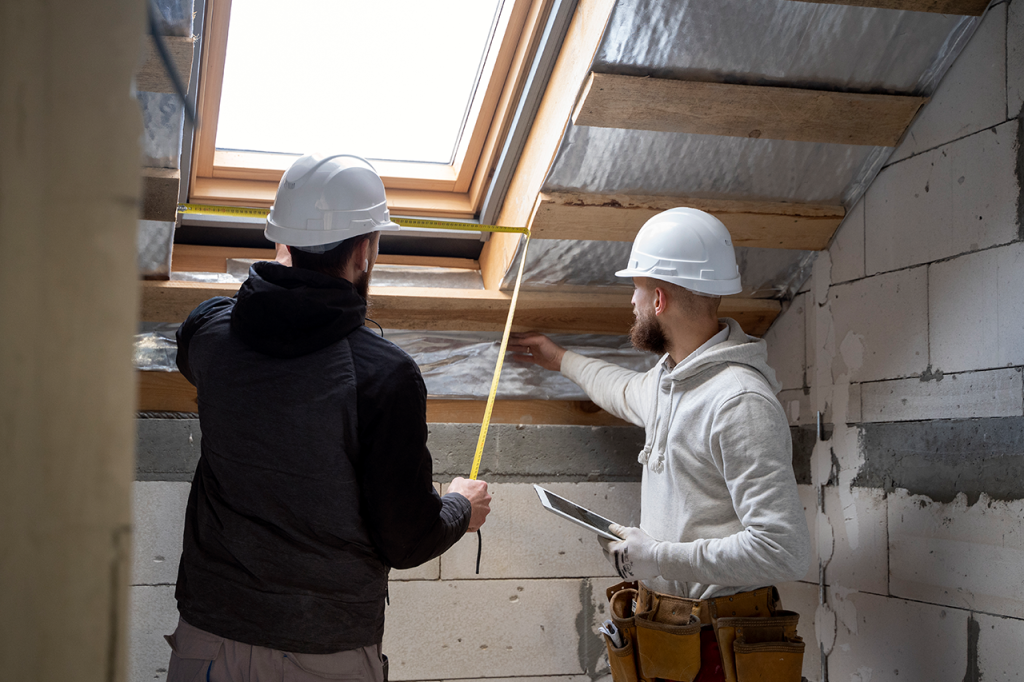
A general inspector checks for visible deficiencies and compliance issues, and structural integrity. But a specialised pest inspection company will look for signs of infestation, moisture risks, conducive conditions and subtle entry points that most people would miss.
I spoke to one homeowner in Adelaide who believed his pre-purchase property inspections covered everything. Six months later he found active termite damage behind built in cabinetry (not accessed during the initial inspection service as it required minor dismantling).
The moral? Scope counts.
Blind Spot #1: Limited Access Areas
Most inspection reports contain disclaimers about limited access.
Too tight roof spaces. Subfloors with inadequate clearance. Wall cavities that are not openable. Garage storage is heavy.
A standard residential pest inspection is usually non-invasive. That means no wall cutting or fixture removal. If access is blocked, the problem can stay hidden.
Professional pest inspection specialists will clearly state these limitations in the inspection report but many homeowners do not read those sections carefully.
Here’s my current advice to anyone booking a home pest inspection.
Prior to the inspection:
- Garage walls clear
- Remove items from manhole covers
- Leave subfloor access points unlocked
- Clear away vegetation from outside walls
Making them easier to get to means that the pest inspectors can do their job properly.
Blind Spot #2: Early-Stage Activity Is Subtle
One of the most common misconceptions is that termites always do obvious damage.
In fact, early activity could look like:
- Small blistering in paint
- Small mud tubes around brick work
- Dim hollow sounds in timber
- Small cracks around door frames
Such signs are easy to miss in the heat of a busy buying process.
Quality pest inspections utilize moisture meters, tapping techniques, thermal imaging (where appropriate) and pattern recognition based on experience. It’s not just about finding damage — it’s about finding risk factors.
That’s why booking separate pest inspection services rather than just general building inspections can make a difference.
Blind Spot #3: “No Active Termites” Doesn’t Mean No Risk
I’ve read a lot of inspection reports in my time. “No active termites found at time of inspection.” is a phrase that often gives homeowners false comfort.
That statement represents a point in time.
It does not mean:
- No termites on the property
- The conditions won’t lure future pests
- No hidden entrances
An experienced pest inspection company will also discuss:
- Problems with drainage
- Contact with timber-to-soil
- Inadequate Ventilation
- Beds on walls
These are the conditions which permit – and matter as much as current activity.
If you’re looking at a pest inspection, ignore activity status. Read the recommendations section carefully.
Blind Spot #4: The Cheapest Option Isn’t Always Thorough
Let’s discuss pest inspection costs.
Prices in Australia will depend on the size and complexity of the property. Homeowners often compare quotes and select the lowest price, without asking what’s included.
Questions to Ask:
- Does it have thermal imaging?
- How long does the inspection service take?
- Will I receive a complete digital inspection report and photos?
- Are the technicians certified and insured?
A pest inspection that is rushed through in 20 minutes is probably not as thorough as one that takes more than an hour.
The scope of a commercial pest inspection is often much broader — warehouses, hospitality venues, and office buildings need different risk assessments than your standard home pest inspection. It’s the same principle: clarity on scope protects you.

Real World Scenario: When Time Matters
A friend once purchased a property that had a clean termite inspection done in early fall. Settlement was delayed for 3 months due to contract negotiations.
During that time, heavy winter rain had accumulated moisture under the house.
A new activity had begun by the time they moved in.
The original pest inspection was not wrong – just out of date.
If settlement is being held up significantly, it is wise to have new pest inspections done as insurance.
Blind Spot #5: Maintenance Is Ongoing
Most homeowners think of a residential pest inspection as a one-time job when buying.
In fact, it is highly recommended that in areas of Australia where termites are a problem, inspections be done annually.
When you have a solid relationship with trusted pest inspection specialists, you can catch small problems before they turn into structural damage.
It’s like maintaining your car. Preventative checks cost much less than major repairs.
What I Personally Check Now
Having seen where problems occur over the years, here is the quick checklist that I use – even before I book a pest inspection company:
Do you have any garden beds or mulch piled against exterior walls?
- Is any bare wood in contact with the soil?
- Do downpipes run away from the house?
- Is the subfloor well ventilated?
- Are there cracks around the window frames?
These are not a substitute for a professional pest inspection, but they help you understand risk before calling in the professionals.
The Importance of Transparency
A good pest inspection company won’t tell you that a property is “termite-proof.” No ethical provider would.
What they can do is:
- Documentation
- Frank commentary on limitations
- Practical advice on how to reduce risk
- Realistically expected
Commercial Pest Inspection for a retail site or a Home Pest Inspection before purchase, transparency is what sets reliable operators apart from rushed operators.
Final Thoughts: Read the Fine Print
When you get your next inspection report, don’t just look at the summary sheet.
Read:
- Access restrictions
- Risk factors
- Suggestions for maintenance
- Suggested follow-up time frames
A standard building inspection is significant. But for peace of mind, a proper pest inspection – done right, with full access and good communication – is a must.
Here’s what your home inspector won’t always tell you:
Pests don’t wait for paperwork.
And the sooner you know your blind spots, the less likely you are to learn about them the hard way.